Do you think any of these solutions are the best 


Organic Produce: Is it worth the price?

Cara Stewart, RD, LDN, member of the Penn Metabolic and Bariatric Surgery team, explains when the higher cost of organic produce is a good value.

Incorporating a variety of fruits and vegetables into your daily eating plan is an essential component of a healthy diet. Organic produce has become more widely available in major grocery stores, but it is often sold at a higher price. When is organic produce worth the price?

The Environmental Working Group (EWG), a nonprofit research and advocacy organization, developed lists of the most and least important fruits and vegetables to buy organic. The “Dirty Dozen” lists the produce containing significant amounts of pesticides even after high-pressure washing. The higher price of organic produce is worthwhile for all of the items on this list.

Choosing organic for produce on the “Dirty Dozen” list can reduce pesticide exposure by as much as 80 percent, according to the EWG. Pesticide exposure has been linked to cancer, nerve damage, reproductive problems, birth defects and more.

The “Clean 15” refers to the fruits and vegetables containing the least amount of pesticides. The EWG recommends foregoing the higher price of organic produce for these items since they are safe to eat even when conventionally grown.

Next time you’re in the produce section at the grocery store or farmers’ market, refer to the “Dirty Dozen” and “Clean 15” lists to determine when it is worthwhile to buy organic and when it is not. For quick reference, download the EWG’s “Shopper’s Guide to Pesticides.”

Dirty Dozen
  • Peaches
  • Apples
  • Sweet bell peppers
  • Celery
  • Nectarines
  • Strawberries
  • Cherries
  • Pears
  • Grapes (imported)
  • Spinach
  • Lettuce
  • Potatoes
Clean 15
  • Onions
  • Avocado
  • Sweet corn (frozen)
  • Pineapples
  • Mango
  • Asparagus
  • Sweet peas (frozen)
  • Kiwi fruit
  • Bananas
  • Cabbage
  • Broccoli
  • Papaya
- Cara Stewart, RD, LDN
reade more... Résuméabuiyad

Banana Berry Smoothie: Healthy, Tasty and Easy to Make!

Homemade fruit and yogurt smoothies make a refreshing and tasty addition to your diet. They can be a healthy breakfast option or replenishing post-workout snack. Quick and easy to make, fruit and yogurt smoothies are a good source of protein and fiber. They can even be part of a post-operative liquid diet. For an extra nutritional boost, use Greek yogurt in place of regular yogurt to double the protein content without increasing the volume or calories.

Ingredients:
  • 6 ounce container of fat-free plain Greek yogurt
  • ½ cup frozen berries (any type, organic if possible)
  • ½ frozen banana
  • ½ cup skim, 1 percent or soy milk
Optional additions:
  • 1 packet of no-calorie sweetener such as Splenda® or Truvia™
  • Dash of cinnamon or nutmeg
  • Splash of vanilla extract
Directions:
  1. Put ingredients in blender and blend until smooth
  2. Pour smoothie into glass or to-go cup
  3. Enjoy!
The recipe produces one serving and contains 215 calories, 20 grams of protein and 3.5 grams of fiber.
reade more... Résuméabuiyad

Super Foods for Supercharging Your Diet

Karen Buzby, RD, LDN, member of the Penn Metabolic and Bariatric Surgery team, explains the nutritional value of “super foods.”

Take your pre- or post-surgical diet to the next level by incorporating these nutritious and delicious super foods in your meals. For those who have had weight loss surgery, it may be necessary to reduce portion sizes. Consult your dietician to determine the appropriate portion sizes for you.

Oatmeal – Start your day off right with oatmeal as a healthy breakfast cereal. Oatmeal is a whole grain containing soluble fiber, which has been shown to lower blood cholesterol and low density lipoprotein (LDL) in the arteries. A serving size of 1.5 cups has three grams of soluble
fiber, 225 calories and nine grams of protein.

Blueberries – Blueberries make the perfect snack or topping for salads or cereal. They are packed with phytochemicals, the disease-fighting antioxidants that are linked to heart health. Available all year long, blueberries can last up to 10 days when refrigerated. Purchase organic blueberries when possible to reduce pesticide exposure. A serving size of one cup contains 80 calories.

Beans – Add beans for extra color, flavor and protein to soups, salads, side dishes and entrees. Linked to decreased risk of certain cancers, beans contain soluble fiber, which controls cholesterol, and antioxidants. The Dietary Guidelines recommend having three cups of beans weekly. Start with a quarter of a cup daily and work your way up to the three cups recommended, allowing your system to gradually adjust to the fiber. A serving size of half a cup is approximately 110 calories and has seven grams of protein.

Almonds – Almonds are a great snack or garnish on salads, cereal, yogurt and grain dishes. They have heart-healthy mono- and polyunsaturated fatty acids, phytoserols and are rich in protein and fiber. Studies also suggest that eating almonds may help reduce LDL cholesterol. A standard serving is one ounce or 23 almonds, containing 160 calories and six grams of protein.

Salmon – Enjoy salmon for a healthy and tasty lunch or dinner. As a good source of omega-3 fatty acids, salmon reduces the risk of heart disease by lowering cholesterol levels. The American Heart Association recommends eating a four ounce portion of a fatty fish, such as salmon, twice a week. When possible, look for wild Alaskan salmon, which contains an even greater amount of omega-3 fatty acid than farmed salmon. Fresh filets should be bright orange or red with a firm texture and mild aroma. Prepare salmon by grilling, baking or poaching. A four ounce portion of salmon contains approximately 200 calories and 28 grams of protein.

- Karen Buzby, RD, LDN
reade more... Résuméabuiyad

Create a Tempting Color Palette for Your Palate

Karen Buzby, RD, LDN, member of the Penn Metabolic and Bariatric Surgery team, offers ideas for incorporating colorful, nutritious foods into your diet.

March is national nutrition month. To promote healthy nutrition, the American Dietetic Association urges people to “Eat Right with Color.” Incorporate a wide variety of colorful food in your diet ranging from fruits and vegetables to lean protein and whole grains.

Following weight loss surgery, calorie restrictions can make maintaining a nutritious and colorful diet challenging. In the early post-operative stages, the recommended diet consists mostly of high protein drinks and foods, such as lean meat, poultry, fish and low-fat dairy. As you recover from surgery, colorful fruits and vegetables can gradually be integrated into your diet to provide nutritional variety.

Try these creative ideas to add colorful food at each stage of your post-operative diet:

Full-Liquid Diet
  • Vegetable juice or 100 percent fruit juice diluted with water
  • Strained vegetable-based cream soup
  • No sugar added whole fruit ice pops
Pureed Diet
  • Unsweetened apple sauce
  • Cranberry-raspberry or pomegranate apple sauce purees
  • Frozen pureed squash
  • Whipped baked sweet potato
Soft Diet
  • Cooked vegetable such as tender broccoli florets or asparagus tips
  • Soft canned fruits packed in water or light syrup, such as sliced peaches or a fruit cup
  • Salsa on chicken or fish
Regular Diet
  • Fresh fruits and salads
  • Slices of avocado, apples or kiwi
  • Baby carrots or cherry tomatoes
**Remember to remove high-fiber skin and peels from fruit and vegetables to avoid digestive problems.

- Karen Buzby, RD, LDN
reade more... Résuméabuiyad

Counting Down the Days Until Spring? Enjoy this Late Winter Dish

Stay warm and cozy during the last week of winter with a delicious and healthy meal from the slow cooker. Combining vegetables, beans, pasta and herbs, minestrone soup is tasty, easy to make and rich in protein and fiber, which means it will keep you satisfied for hours after eating.

Recipes for minestrone soup vary from cook to cook, so feel free to make substitutions or additions to fit your family's preferences.

You will need a medium round or oval slow cooker. Total cooking time is seven to eight hours.

Ingredients:
  • 3 tablespoons olive oil
  • 1 medium-sized yellow onion, chopped
  • 2 small carrots, diced
  • 2 ribs celery, chopped
  • 2 small zucchini, ends trimmed and cubed
  • One 15-ounce can red kidney beans, rinsed, drained and half the beans mashed
  • 1 teaspoon salt**
  • 1 bay leaf
  • Freshly ground black pepper to taste
  • 1/4 cup packed fresh flat-leaf parsley leaves, chopped
  • One 28-ounce can whole tomatoes, mashed, with their juice
  • One 10-ounce package frozen baby lima beans
  • 2 ½ cups chicken or vegetable broth
  • 5 leaves Swiss chard, chopped or 1/2 small head Napa cabbage, cored and chopped
  • 1/2 cup dry red wine such as Chianti, Merlot or Pinot Noir
  • 1/3 cup whole wheat elbow macaroni or little shells
  • Freshly grated parmesan cheese for serving
**To reduce sodium, skip the salt and use canned beans and tomatoes with “no salt added.”

Directions:
  1. In a large skillet, heat the olive oil over medium heat. Add onion, carrots, celery, and zucchini. Cook, stirring often, for about five minutes or until just softened. Transfer to the slow cooker and add kidney beans, salt, bay leaf, peppers, parsley, tomatoes and juice, lima beans and broth. Add enough water to rise about one inch above the vegetables. Cover and cook on low for five hours.
  2. Add Swiss chard and wine, cover and continue to cook on low for another two to three hours. Remove the bay leaf.
  3. Stir in pasta, cover and cook on high for about 30 minutes or until the pasta is just tender.
  4. Ladle into soup bowls, top with parmesan cheese and enjoy!
The recipe produces 12 servings. Serving size is one cup and contains 125 calories, six grams of protein and four grams of fiber.

Adapted from Not Your Mother’s Slow Cooker Cookbook by Beth Hensperger and Julie Kaufman (The Harvard Common Press, 2005)
reade more... Résuméabuiyad

Want to Lose Weight? Don’t Drink Your Calories

Karen Buzby, RD, LDN, member of the Penn Metabolic and Bariatric Surgery team, provides tips for lowering calorie intake from beverages.

Looking for ways to cut your calorie intake? An easy place to start is with your beverages. Drinks like juice, soda and coffee are often high-calorie and can sabotage your weight loss efforts -- or even contribute to weight gain! Always read the nutrition facts to determine the calories per serving and servings per container before drinking a beverage.

Follow these tips to reduce your liquid calorie intake:

Drink plenty of water – Whether you drink regular or flavored water made from natural fruit essence, it is hydrating, refreshing and calorie-free.

Keep your coffee low-calorie – Black coffee is calorie-free but adding creamer, sugar or flavored syrups can make coffee as caloric as an entire meal! For a healthy but tasty coffee beverage, use nonfat, 1 percent or light soy milk and sweeten it with a teaspoon or single packet of sugar, calorie-free artificial sweetener or sugar-free flavored syrup.

Drink regular or iced tea instead of fruit juice – Fruit juice is high in fructose, a naturally occurring sugar, but home-brewed or diet tea is calorie-free. You can flavor tea without adding a lot of calories by adding a slice of lemon, a splash of fruit juice or fresh mint leaves.

Avoid sodas and sports drinks – These beverages often come in supersized portions and contain large amounts of sugar and empty calories. If you are craving a soda or sports drink, try a diet version to limit your sugar and caloric intake.

Stick to low-fat or nonfat milk - Milk is an excellent source of protein and calcium and a healthy, low-calorie choice. Make sure to select nonfat or 1 percent milk to reduce the fat content.

Try a smoothie – Smoothies made from fruit or low-fat yogurt can be a healthy beverage choice or snack option as long as the ingredients are low-fat and low-sugar.

Cut down on alcohol - Alcoholic beverages are high calorie and dehydrate the body. If you choose to have an alcoholic beverage, make sure you drink in moderation. For women, that means no more than one alcoholic drink a day and for men, it is no more than two alcoholic drinks a day.

- Karen Buzby, RD, LDN
reade more... Résuméabuiyad

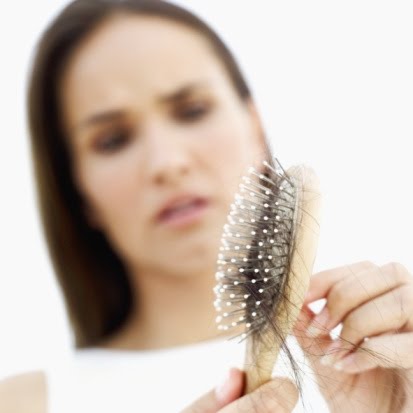
The Right Foods for Keeping Your Hair

Cara Stewart, RD, LDN, member of the Penn Metabolic and Bariatric Surgery team, provides nutrition recommendations for minimizing hair loss.

Hair loss is common after bariatric surgery. It can be caused by stress on your body from surgery, inadequate protein intake or rapid weight loss.

Hair is made of protein, and in the weeks and months following bariatric surgery, patients are often restricted to a liquid diet. Liquid protein supplements can help you compensate for the lack of protein during the post-operative time.

Depriving your body of protein can damage hair roots and weaken hair growth. Once the root is damaged, hair follicles cannot be salvaged. A few months after the lack of protein in your diet, your hair will break off as it grows through the scalp.

The good news is that with an adequate protein intake, your hair will grow back. A minimum of 60 to 80 grams of protein each day is recommended for optimal nutrition. In general, it is best to include a protein with every meal and snack.

Although less common, hair loss can also be caused by a deficiency in nutrients such as zinc, biotin, potassium, vitamin B6, or phosphorus. To prevent nutrient deficiencies, it is important to take the recommended vitamin and mineral supplements and nutrient-rich foods.

By consuming a wide variety of healthy foods, you can maintain your healthy head of hair.

- Cara Stewart, RD, LDN
reade more... Résuméabuiyad